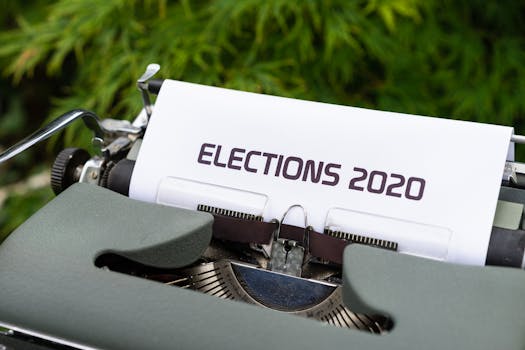
Betting on Political Events: How It Works and What to Watch Out For
Political events have always captured the world's attention, but in recent years, they've also become a popular focus for bettors looking to put their predictive skills to the test. From presidential elections to referendums, party leadership contests, and legislative votes, the range of betting markets for political events has expanded dramatically. The rise of online bookmakers means that anyone, from seasoned punters to first-time bettors, can get involved. But betting on politics isn’t just about making a prediction and hoping for the best; it comes with unique intricacies, risks, and opportunities that set it apart from traditional sports or casino betting.
In this article, we’ll dive deep into how political betting works, explore the most popular markets, analyze what makes it uniquely challenging, and outline the key legal, ethical, and practical considerations you should be aware of. Whether you’re curious about how odds are set for political outcomes or want to avoid common pitfalls, this guide will give you the insights you need.
Understanding Political Betting Markets
Political betting, at its core, involves wagering money on the outcome of political events. Unlike sports betting, where the outcome is determined by athletes’ performances, political wagering hinges on complex societal forces, voter behavior, polling data, and even last-minute scandals. The most common types of political bets include:
- $1: Predicting who will win a specific election, such as the US presidential race or the UK general election. - $1: Wagering on which party will have the most seats in a legislative body. - $1: Placing bets on who will become the leader of a political party. - $1: Predicting whether a referendum will pass or fail, or if a government will enact a specific policy.Bookmakers offer these markets based on available data and public sentiment, but political events are notoriously unpredictable. For example, in the 2016 US presidential election, Donald Trump was given odds as high as 5/1 (an implied probability of just 16.7%) on election night, before pulling off a shocking victory.
How Odds Are Set and What Influences Them
Unlike sports, where bookmakers use decades of statistics to set odds, political betting relies heavily on polling data, media coverage, expert analysis, and sometimes even social media trends. Bookmakers continuously adjust odds in response to new information, such as:
- $1: Major changes in public opinion polls can cause odds to swing quickly. - $1: Unexpected events, like a candidate’s gaffe or policy announcement, can dramatically affect betting markets. - $1: If a large number of bets are placed on one outcome, bookmakers may adjust odds to balance their risk.To illustrate how odds can differ between bookmakers and change over time, consider the following table showing the odds for the 2020 US Presidential Election just days before the vote:
| Bookmaker | Joe Biden Win | Donald Trump Win | Other |
|---|---|---|---|
| Bet365 | 1.50 (66.7%) | 2.75 (36.4%) | 51.0 (2.0%) |
| William Hill | 1.53 (65.4%) | 2.62 (38.2%) | 34.0 (2.9%) |
| Paddy Power | 1.57 (63.7%) | 2.50 (40.0%) | 41.0 (2.4%) |
These odds not only reflect the bookmakers’ analysis but also the money flowing into each market. It’s important to note that odds are not always a direct representation of the true likelihood of an event—they are influenced by public sentiment and bookmakers’ risk management.
Legal and Ethical Considerations
Before placing a bet on a political event, it’s crucial to understand the legal landscape in your country. Political betting is not universally permitted—regulations vary widely:
- $1: With rare exceptions, political betting is largely illegal, though prediction markets like PredictIt operate under special regulations. - $1: Political betting is legal and widely available, with millions wagered on major elections. - $1: Laws vary by country; for example, it is legal in Ireland but restricted in France.Ethically, political betting raises challenging questions. Critics argue that it could undermine democratic processes or incentivize disinformation campaigns. There have been concerns about market manipulation, especially in smaller markets. In 2020, the UK Gambling Commission even investigated suspicious betting activity related to the timing of the UK general election.
Always check your local laws before betting and consider the broader implications of your participation. Reputable bookmakers will only offer political markets in jurisdictions where it is legal and will have safeguards to detect and prevent insider trading or manipulation.
Risks Unique to Political Betting
While all forms of betting carry risk, political events add layers of complexity and uncertainty:
- $1: Polls can be misleading, as seen in the 2016 US and 2015 UK elections, where outcomes defied expert predictions. - $1: Campaign insiders may have access to non-public data or may attempt to influence betting markets. - $1: Political odds can shift dramatically in response to news cycles or social media trends. - $1: Unlike a sports event, where the outcome is usually clear, contested elections or recounts can delay payouts for weeks or months.For example, in the 2020 US Presidential Election, some bookmakers delayed settling bets for over a month due to legal challenges and recounts in key states, resulting in widespread frustration among bettors.
How to Approach Political Betting Responsibly
If you’re considering betting on political events, it’s essential to approach it with a well-informed and disciplined mindset:
1. $1: Rely on multiple sources of information, including reputable news outlets, historical voting patterns, and expert analysis. Avoid the echo chamber effect of social media. 2. $1: Familiarize yourself with the different market options—such as outright winner, vote share, or turnout percentage. Some markets are more unpredictable than others. 3. $1: As with any form of gambling, set clear limits on how much you’re willing to risk and stick to them. 4. $1: Emotional investments in political outcomes can cloud judgment. Try to approach bets objectively, not based on personal preference. 5. $1: Choose licensed and regulated bookmakers with a track record for fair play and timely payouts.Political Betting vs. Sports Betting: Key Differences
To further clarify what makes political betting distinct, here’s a comparison with traditional sports betting:
| Aspect | Political Betting | Sports Betting |
|---|---|---|
| Data Reliability | Often based on polls and subjective analysis | Backed by detailed statistics & form guides |
| Market Volatility | Highly susceptible to news & surprises | Generally stable, barring major injuries |
| Legal Restrictions | Vary widely by country | More universally regulated & accepted |
| Event Frequency | Irregular; tied to election cycles | Frequent; matches held daily worldwide |
| Insider Influence | Potential for information asymmetry | Less likely due to public oversight |
Understanding these differences is vital for anyone transitioning from sports betting to political markets—or trying political betting for the first time.
What to Watch Out For: Common Pitfalls and Red Flags
The excitement of betting on elections or referendums can be intoxicating, but it pays to be vigilant. Here are some key things to watch out for:
- $1: Some offshore or unlicensed bookmakers may offer enticing odds but lack proper consumer protections. Only bet with regulated providers. - $1: Be cautious if you see sudden, unexplained swings in odds. Small, illiquid markets can be moved by relatively few bets. - $1: It’s easy to fall into the trap of only seeing data that confirms your existing beliefs. Challenge your assumptions and consider alternative outcomes. - $1: Be prepared for the possibility that the result may not be finalized on election night, especially in tightly contested races. - $1: Political betting can be highly emotional, especially if you have strong views. Don’t let passion override prudent risk management.Final Thoughts on Betting on Political Events
Betting on political events offers a unique blend of analysis, excitement, and unpredictability. It can be a fascinating way to engage with current affairs and test your ability to read the political climate. However, it is not without significant risks—both practical and ethical. Success requires not just knowledge of politics, but also a disciplined, objective, and cautious approach. By understanding how markets work, recognizing the unique challenges of political betting, and staying within your limits, you can make informed decisions and avoid common pitfalls.