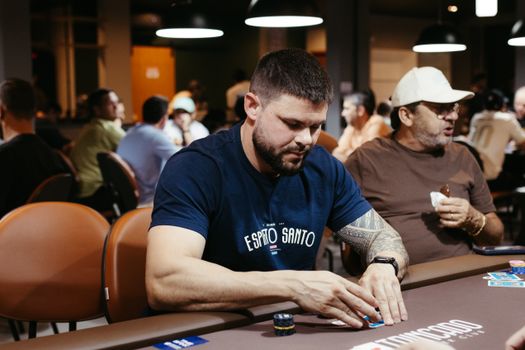
The Impact of Psychology on Betting Success: How to Avoid Emotional Decisions
Every year, millions of people place bets on sporting events, casino games, and political outcomes, chasing both entertainment and the elusive thrill of victory. Yet, despite the wealth of strategies and analysis available, many bettors find themselves losing more often than they win. Why? The answer, surprisingly often, lies not in the odds or the markets, but in the mind. The psychology of betting—how we think, feel, and react to risk and reward—plays an undeniable role in determining success or failure. Understanding these psychological factors can mean the difference between a disciplined, long-term winning approach and a string of costly, impulsive mistakes.
This article explores the profound impact of psychology on betting outcomes, revealing how subtle cognitive biases, emotional states, and mental habits shape betting decisions. You’ll learn how to recognize and overcome the most common psychological pitfalls, develop a more rational betting mindset, and ultimately improve your chances of long-term success.
The Hidden Forces: How Psychology Shapes Betting Behavior
From the moment you place a bet, a cascade of psychological processes is set in motion. Behavioral economists and psychologists have identified dozens of biases that affect financial decision-making, many of which are especially relevant to betting.
One of the most common is the $1—the mistaken belief that past events influence the likelihood of future outcomes. For example, after witnessing a roulette wheel land on red five times in a row, a bettor may erroneously believe black is now “due.” Statistically, each spin is independent, but the mind searches for patterns even where none exist.
Another influential bias is $1. Research by Nobel laureate Daniel Kahneman shows that people feel the pain of losing about twice as strongly as the pleasure of winning. This can lead bettors to chase losses, doubling down in an attempt to recover, often resulting in even greater losses.
A 2022 survey by the UK Gambling Commission found that 34% of regular sports bettors reported “often” experiencing regret after impulsive bets, and 21% admitted chasing losses at least once per month. These numbers underscore how psychological traps are not the exception, but the norm.
Emotional Highs and Lows: How Feelings Influence Betting Decisions
Emotions are powerful motivators—and in the world of betting, they can be both a blessing and a curse. The surge of excitement after a big win, or the frustration following a loss, can cloud judgment and lead to decisions that defy logic.
Neuroscientific studies reveal that, during moments of high emotional arousal, the brain’s prefrontal cortex—the area responsible for rational decision-making—can become less active, while the amygdala (the emotional center) takes over. This shift increases the likelihood of impulsive choices.
Consider the phenomenon of “tilt,” borrowed from poker terminology. Going on tilt describes the experience of making increasingly reckless bets after a loss, driven by anger, frustration, or the desire to quickly “get even.” In one famous study, researchers found that players making bets after a loss were 68% more likely to increase their stakes impulsively compared to those who were winning or even.
On the flip side, euphoria from a winning streak can breed overconfidence—a psychological state where bettors overestimate their skills or luck. Overconfident bettors may take unnecessary risks, ignore sound analysis, or wager more than their bankroll allows, believing they’re “on a roll.”
Common Psychological Pitfalls and How to Recognize Them
To improve your betting success, it’s essential to identify the mental traps that most commonly sabotage bettors. Consider these classic psychological pitfalls:
1. $1: Seeking out information that supports your existing beliefs while ignoring contrary evidence. For example, a football fan may focus on stats that suggest their team will win, disregarding injuries or poor form. 2. $1: Giving undue weight to recent results while neglecting the bigger picture. A bettor may overvalue a team’s latest performance, ignoring long-term trends or underlying weaknesses. 3. $1: Believing you have more influence over outcomes than you really do. This is common in games of chance, where bettors develop rituals or “systems” that have no impact on the outcome. 4. $1: Continuing to bet (or bet more) simply because you’ve already invested time or money, rather than assessing the situation rationally.Spotting these biases in your own thinking isn’t always easy. One effective approach is to keep a betting journal, recording not just your bets and results, but your rationale and emotional state at the time of each wager. Over time, patterns emerge, helping you pinpoint moments when emotions or biases override logic.
Comparing Rational and Emotional Betting: A Data Overview
To illustrate the tangible impact of psychology on betting outcomes, consider the following comparison. Researchers at the University of Nevada studied two groups of recreational bettors over six months: those who employed structured, rational betting strategies, and those whose decisions were primarily emotional or impulsive.
| Group | Average Monthly Bets | Average Win Rate (%) | Average Loss per Month (USD) | Incidence of Chasing Losses (%) |
|---|---|---|---|---|
| Rational Bettors | 48 | 54 | $120 | 8 |
| Emotional Bettors | 65 | 45 | $290 | 34 |
The data is clear: emotional bettors not only placed more bets, but their win rate was significantly lower, and their average monthly losses nearly 2.5 times higher. Most telling, emotional bettors were over four times more likely to chase losses—a direct result of letting feelings override rational judgment.
Building a Mindset for Betting Success: Psychological Strategies
If psychology is the problem, it’s also the solution. By developing mental habits and routines that foster rational decision-making, bettors can minimize the influence of emotions and biases. Here are some proven strategies:
- $1: Decide in advance how much you’re willing to bet and lose, and stick to it. Use tools like deposit limits and timeouts offered by most betting platforms. - $1: Pausing between bets helps reset your emotional state and prevents impulsive decisions. - $1: Techniques like deep breathing and meditation have been shown to reduce stress and improve self-awareness, helping you recognize emotional triggers before they influence your betting. - $1: Before placing a bet, run through a checklist of logical criteria (recent form, injuries, odds value, etc.) to ensure your decision is based on analysis, not impulse. - $1: Discuss your betting decisions with a trusted friend or community. Outside perspectives can reveal biases or errors you might miss.A 2023 study in the Journal of Gambling Studies found that bettors who used mindfulness-based interventions reduced their frequency of impulsive bets by 31% and reported greater satisfaction with their overall betting experience.
The Role of Self-Awareness and Reflection in Long-Term Betting
Self-awareness—the ability to recognize your own emotions, thoughts, and behaviors—is a cornerstone of psychological resilience. In betting, self-aware individuals are better equipped to pause, reflect, and adjust their strategies in response to setbacks.
One effective method is the practice of $1. After each betting session, ask yourself: Why did I make these bets? Was my reasoning logical, or was I influenced by emotion? What can I learn from the outcome, win or lose? Over time, this habit builds a mental “gap” between emotion and action, increasing your control over future decisions.
Research also suggests that keeping a detailed record of your bets—including your mental state—can reduce the likelihood of repeating mistakes. For instance, a survey of 1,500 sports bettors by Betfair in 2022 found that those who kept betting journals reported a 22% reduction in impulsive bets and a 17% improvement in overall profitability.
Key Takeaways: Harnessing Psychology for Betting Success
The science is clear: psychology is not just a minor factor in betting—it’s often the decisive one. Emotional decisions, cognitive biases, and mental shortcuts can sabotage even the most well-informed bettors. However, by understanding these psychological forces and adopting strategies to mitigate them, you can significantly improve your long-term betting results.
Embracing self-awareness, maintaining discipline, and fostering a mindset grounded in reason rather than emotion are the keys to breaking the cycle of impulsive bets and regret. Betting success is as much about mastering your mind as it is about understanding the markets.